
- Flexible Online Learning
- Inspirational Study Materials
- Personalised Support
- Flexible Online Learning
- Inspirational Study Materials
- Personalised Support
- CFA Institute Approved Prep Provider
Blog & Insights
Author: Dianne Ramdeen
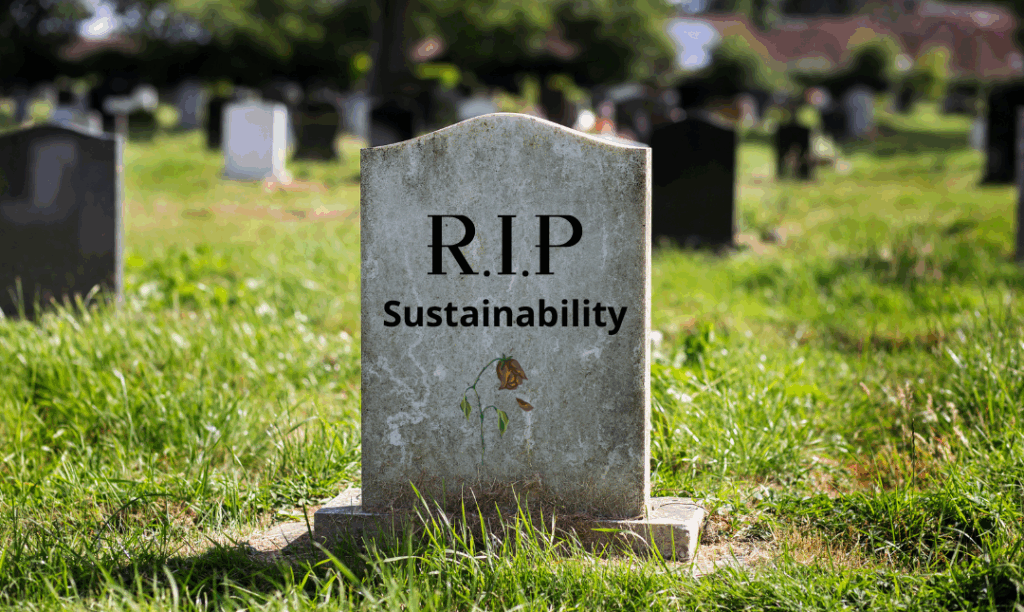
ESG. Sustainability. Green. Not long ago, these words were everywhere. Spoken with conviction, stamped on investment strategies and sold as the future (even by those who didn’t quite understand what the words actually meant!). Lately, though, this confident chorus seems to have gone quiet.
Some firms have rebranded funds, toned down ESG language or avoided the word “sustainable” altogether in certain markets. From the outside, it may look as though asset managers are moving away from sustainability. After all, HSBC became the first UK bank on 11 July 2025 to exit the Net-Zero Banking Alliance (NZBA). But go beneath the marketing layer and a different story is uncovered.
Climate and sustainability are now structurally built into areas such as risk management, portfolio construction, compliance, client reporting and, more generally, the long-term investment process. Buzz words in the industry may come and go but investment fundamentals stay the same. The reality is that climate risk is financially material. Regulators in the UK and EU are now demanding that climate risks be disclosed and managed just like credit or market risks. Specifically, for large asset managers, insurers, banks and pension funds, climate risk has now become a fundamental component of financial risk management.
Physical climate damage, transition policy shocks, carbon pricing and supply chain fragility all show up in valuations, cash flows, insurance costs and credit spreads. At the same time, the transition to a low-carbon economy is creating significant capital demand in areas such as renewables, grid modernisation, storage, green buildings, sustainable agriculture and clean transport. Finance professionals who understand both downside risks and upside opportunities are well placed to allocate capital intelligently.
So why does it seem like sustainability has lost momentum? For a start, political pushback (notably in the US) has made some global firms tone down public ESG messaging (whether they admit that or not is a different story!). In addition, asset managers have become more cautious about sustainability claims amid rising regulatory scrutiny of greenwashing. As a consequence, marketing teams are shifting from broad ESG labels to more specific language: climate transition, stewardship, impact, thematic decarbonisation, biodiversity risks, client-defined mandates.
Even when firms strip ESG from brochure titles, they are still incorporating carbon pricing scenarios into valuation models, stress-testing sectors for transition risk under different policy pathways and engaging boards on climate governance, disclosure quality and capital allocation alignment. Scan the market today and you will see that firms are still building products to meet region specific disclosure rules and client reporting needs. Based on this, it seems that sustainability has moved from front-of-house branding to back-of-house process discipline.
Regulators in major markets are not loosening expectations. The UK Sustainability Disclosure Requirements (SDR) and investment labels push firms to evidence sustainability characteristics rather than market aspiration. Climate related disclosures (TCFD aligned) remain a reporting expectation for large listed companies and asset managers in the UK. Firms operating in or marketing to the EU still navigate SFDR classifications and Principal Adverse Impact indicators. There is increasing scrutiny of greenwashing risk, forcing tighter linkage between product claims and portfolio reality. Professional bodies such as CFA Institute, CFA UK, CISI, PRI-linked programmes and others are embedding sustainability into learning pathways because clients and regulators expect it.
These developments mean that, whether or not “ESG” is on the cover slide, it is now inherent in the investment process. So let’s not confuse quiet with absent. It seems like the sustainability chorus has not fallen completely silent but, quite reassuringly, has become a soft but continuous hum in the background.
For Any Queries, Please Get In Touch

Interested in learning about course pricing or curious about group discounts? Please provide details of your inquiry, such as the specific course or course type, pricing request, etc. Our dedicated team will be happy to assist.